
Subscribe now for full access and no adverts
By the end of the 19th century, around 120 County Asylums were operating across England and Wales (Scotland had its own system of Royal and District Asylums). They were mainly constructed under the auspices of two key pieces of legislation – the County Asylums Act and the Lunacy Act, both passed in 1845 – and were intended as a progressive step, representing a publicly funded and properly regulated alternative to previous approaches to mental health care (see box below). Despite these worthy intentions, however, such institutions rapidly became associated more with confinement than with effective treatment. Since the development of ‘care in the community’ policies in the 1980s, though, most of these complexes have now closed, their buildings converted to other uses or demolished altogether. While plentiful documentary evidence survives to testify to how these sites operated, archaeological remains can offer thought-provoking insights into the experiences of those who lived and worked within their walls.
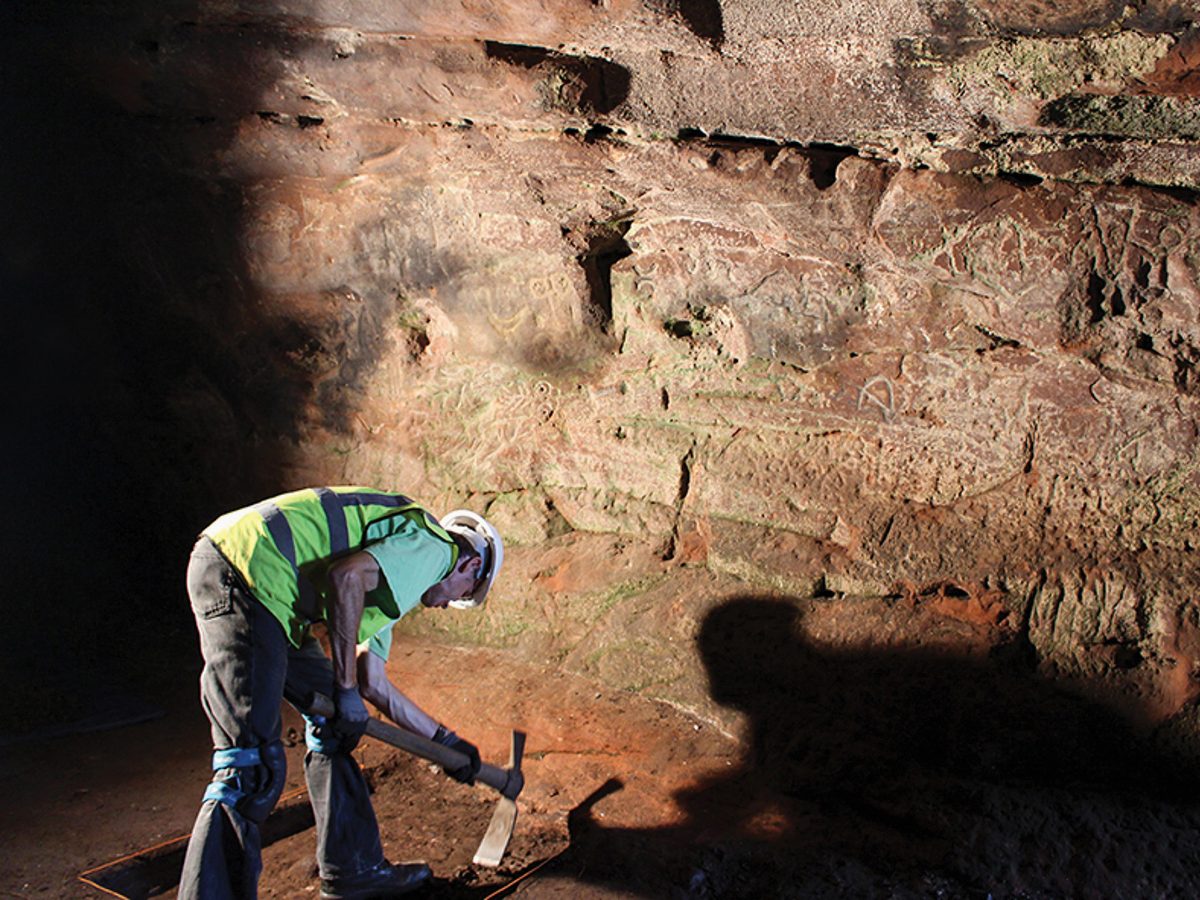
Such tangible traces were uncovered on the site of what would ultimately be known as Clifton Hospital, at Clifton Ings, a north-western suburb of York. There (working for Jacobs UK Limited and BAM Nuttall on behalf of the Environment Agency), York Archaeology carried out excavations and watching briefs ahead of flood defence improvements along the River Ouse. These investigations, undertaken in riverside fields directly to the north and west of the former hospital, uncovered features spanning many centuries, from ditches containing Iron Age and Romano-British pottery to evidence of medieval ridge-and-furrow farming. Most significant for the subject of this article, though, was a rubbish dump and other finds relating to the hospital’s earlier incarnations serving the North and East Ridings of Yorkshire. Its contents provide poignantly personal echoes of some of the institution’s occupants, as well as highlighting how attitudes towards mental health had evolved over the site’s lifespan.
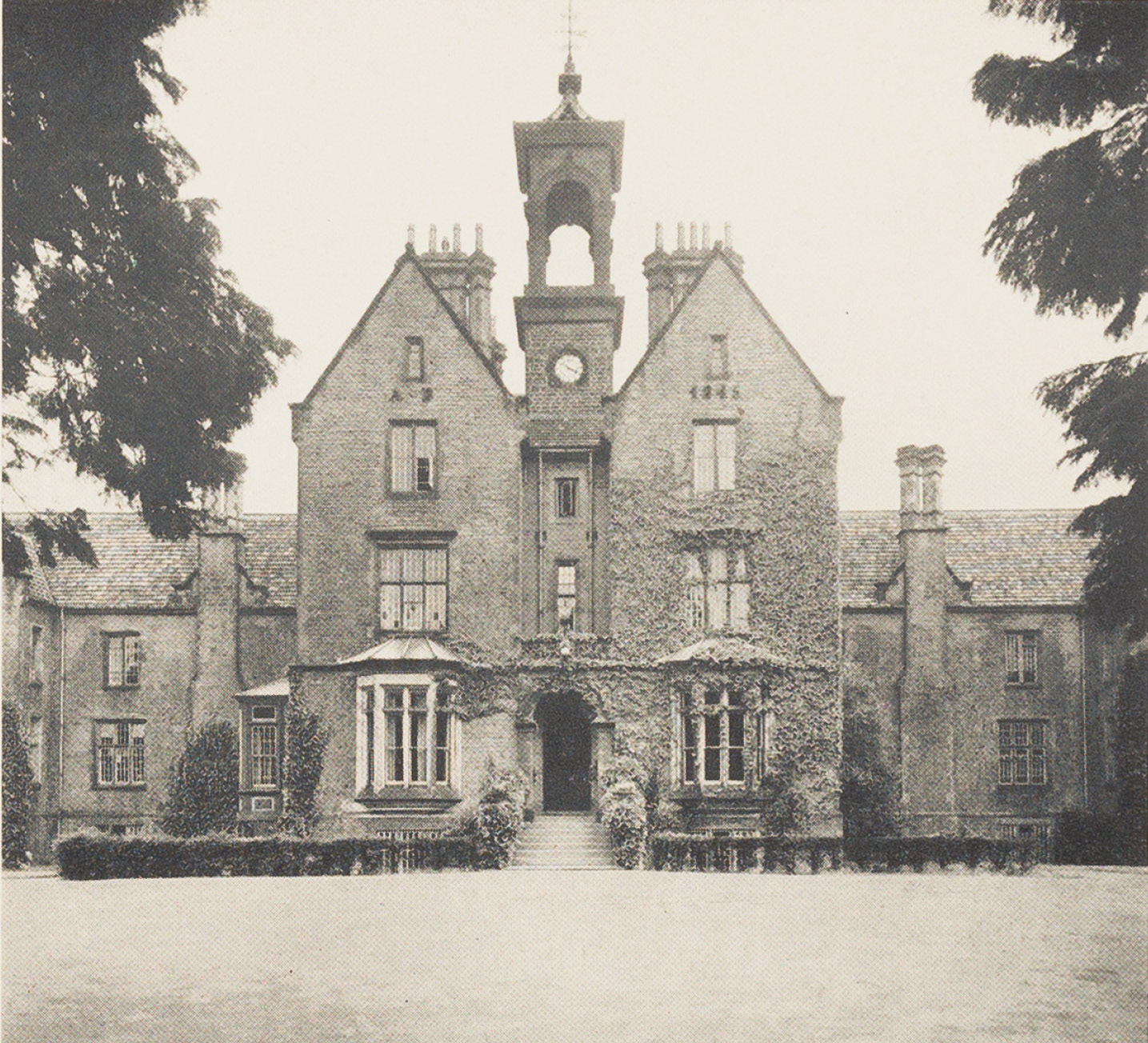
The evolution of Clifton Hospital
The story of institutionalised mental health care in the York area begins long before the foundation of the Clifton complex. The subscription-funded York Lunatic Asylum (later Bootham Park Hospital) was founded just outside the city walls in 1777, followed two years later by the Quaker-run York Retreat (which, in stark contrast to the squalid conditions for which the former site became notorious, pioneered a more compassionate approach, eschewing restraints and physical punishments and emphasising the dignity of its patients). Local authorities for the West Riding of Yorkshire established a County Asylum in Wakefield in 1818, but it was not until 1843 that the councils of the North and East Ridings decided to jointly found a Pauper Lunatic Asylum of their own at Clifton.

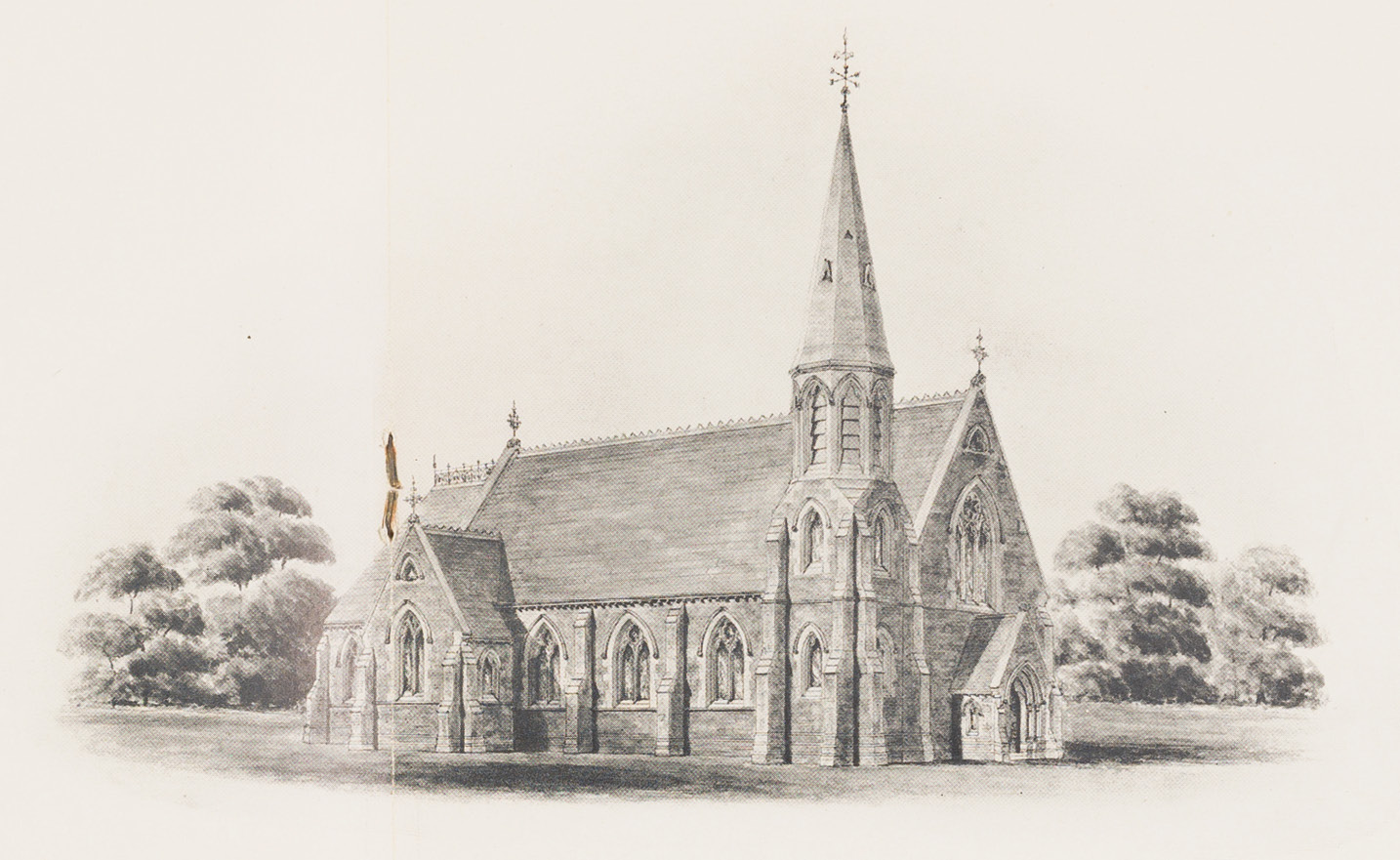
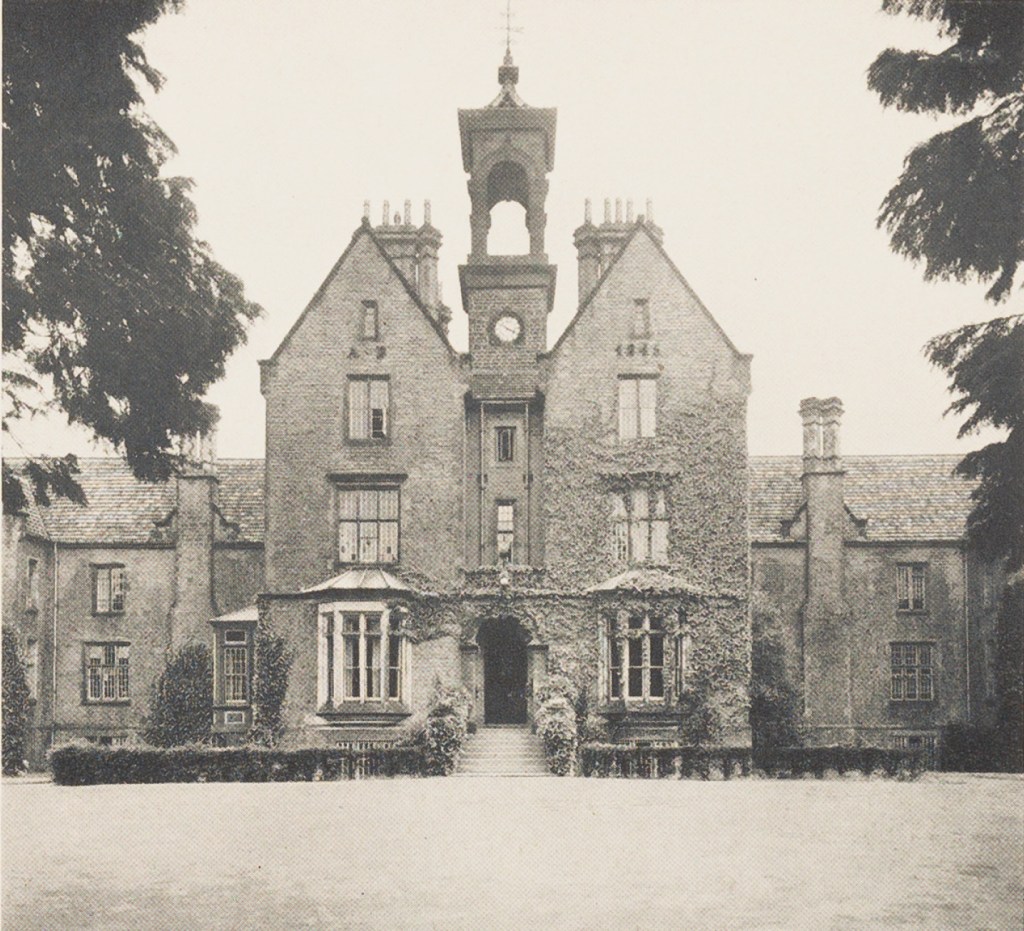
Designed by George Gilbert Scott and William Bonython Moffatt (architects who worked on many other asylums and workhouses across the country), the Clifton institution was built on the ‘Corridor’ layout that was typical of the time, and officially opened in 1847. The need for its services was immediately obvious – within two years the complex had to be extended, and it continued to expand through the 19th and 20th centuries, with the addition of various wards, staff cottages, and a chapel reflecting the growing number of patients in residence. Like other asylums of the period, the Clifton site was designed as a separate, self-contained community, with its own recreation facilities (including a cricket pavilion) and a farm complex to support its activities and provide purposeful outdoor work for its population. It is clear from hospital archives that gardening and horticulture were used as a therapy for the patients until the 1960s, and during York Archaeology’s excavations the discovery of abundant nails suggested that plants had been trained against a wall within the hospital grounds.
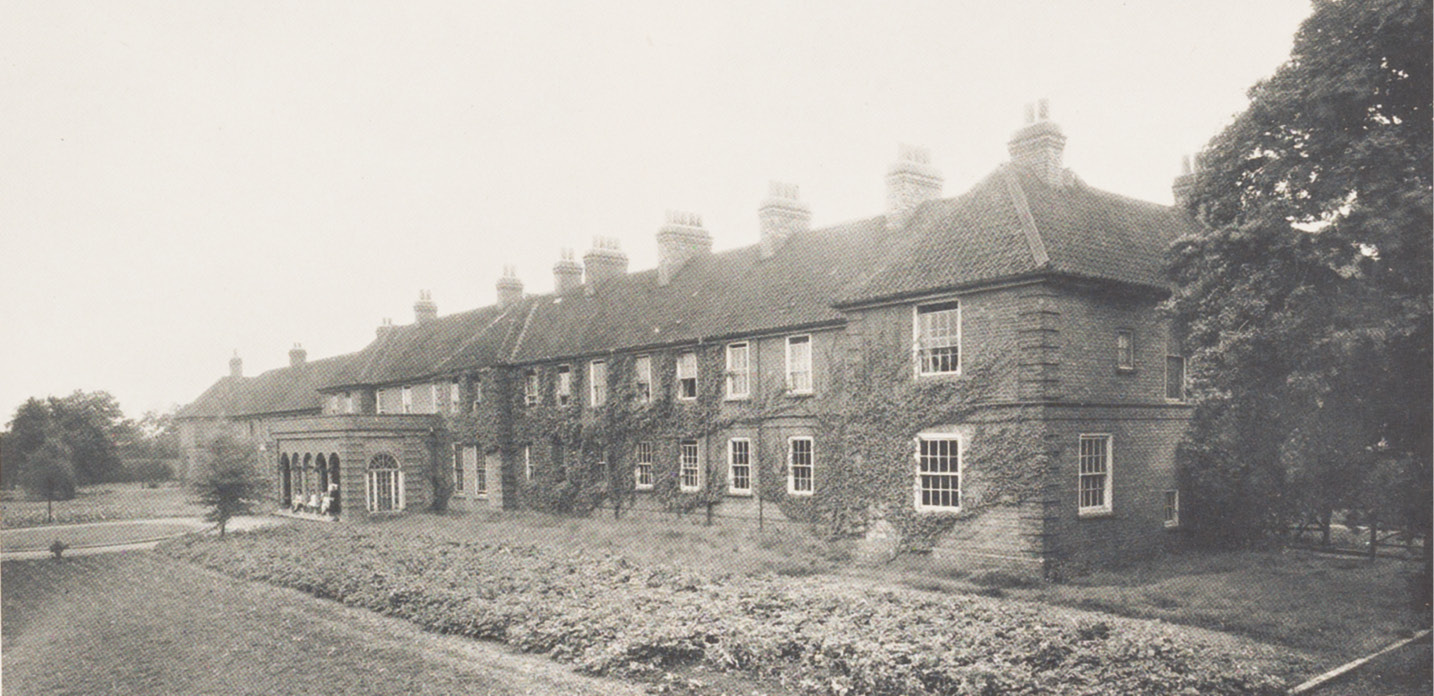
Documentary sources also attest that the institution changed its name three times during its lifetime, shown on Ordnance Survey maps throughout the 19th and 20th centuries. Beginning as the North and East Ridings Pauper Lunatic Asylum, in 1865 the site became the North Riding Lunatic Asylum in 1865, then the North Riding Mental Hospital in 1920, and finally Clifton Hospital when it joined the then-newly founded NHS in 1948. After the application of ‘Care in the Community’ policies, the hospital eventually closed in 1994; parts of the complex were swiftly demolished, but some services remained operational until 1996. The hospital laundry, meanwhile, remained standing until the early 2000s, and the chapel, Pavilion Cottages, and cricket pavilion can still be seen, though they are mainly in residential use now.